The best time to visit Ijen depends on what you most want to experience. Travellers hoping for clearer crater views, a more comfortable hike, and a better chance of seeing sunrise generally favour the drier months. Those primarily interested in the famous blue fire need to plan around darkness, current access rules, volcanic conditions, and the physical demands of an overnight climb.
Kawah Ijen is not a simple viewpoint that can be visited without preparation. The journey commonly involves a late-night departure, road travel to the trailhead, a steep uphill walk, cold and windy conditions, volcanic gas, darkness, and an early-morning return. Weather can change quickly in the mountains, while access to particular areas may be restricted at short notice for safety or conservation reasons.
For that reason, no month can guarantee perfect visibility or blue fire. A responsible plan combines seasonal expectations with a final check of the weather forecast, the volcano’s activity status, official site announcements, and the latest instructions from licensed local operators. This guide explains how to compare seasons, schedules, tour options, and backup plans before booking.
When to Go and Why Timing Matters
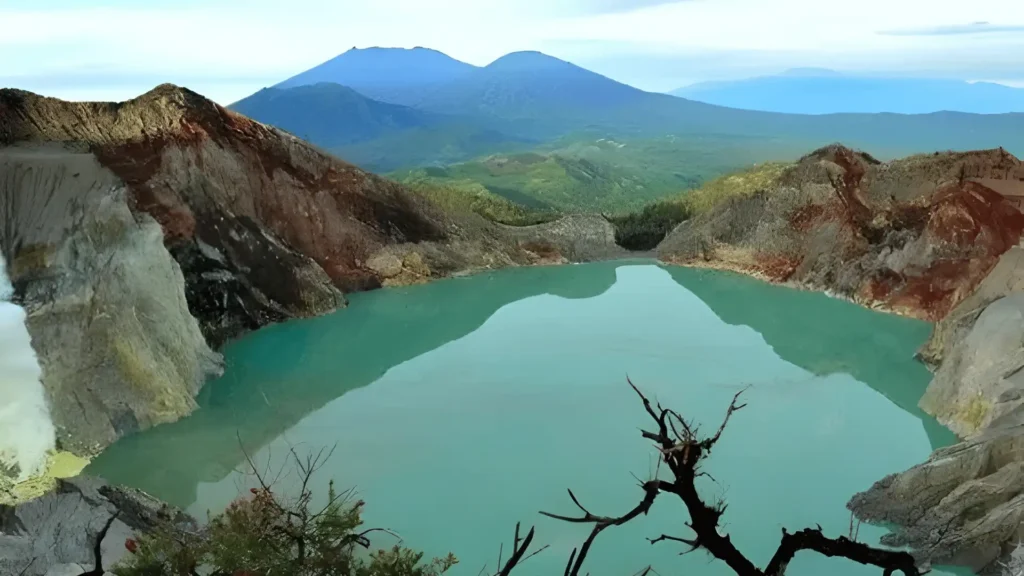
Choosing the best time to visit Ijen is mainly a question of rainfall, visibility, wind, crowd levels, and the purpose of the trip. Conditions at the trailhead can be very different from those near the crater rim because Ijen sits at elevation. A warm evening in Banyuwangi or Bondowoso can become a cold, damp, and windy climb before dawn.
Timing also matters within a single day. The blue fire is visible only in darkness, whereas the crater lake and surrounding volcanic landscape are easier to appreciate after sunrise. Trekking usually starts around 1–2 AM to allow enough time to reach the crater area and see the famous blue fire before continuing up to the crater rim for sunrise. This early start makes it possible to experience both the blue fire and the sunrise in a single Ijen hike.
Visitors therefore often try to combine both experiences in one itinerary. That can create a demanding schedule: leaving accommodation around midnight, beginning the hike in the early hours, reaching a viewing area before dawn, waiting for sunrise, and descending after several hours of limited sleep.
The most practical decision is not simply “Which month is best?” It is “Which month and itinerary give my group enough flexibility to travel safely, rest properly, and adapt if conditions change?”
Best Months and Reasons
In a typical year, the drier period across much of East Java generally falls between roughly May and October, although the beginning, intensity, and end of the dry season vary from year to year. For many travellers, June through September is the most attractive window because lower rainfall can mean a firmer trail, fewer rain clouds, and a better chance of broad views after sunrise.
July and August are often popular because they coincide with relatively dry weather and major holiday periods. However, popularity brings trade-offs. The trail, transport services, accommodation, and sunrise viewpoints may be busier. Temperatures before dawn can also feel particularly cold at elevation, especially when strong wind is present.
May, June, September, and early October may offer a useful balance between weather and crowds, but they should be treated as transition-sensitive months rather than guaranteed sweet spots. Rain can still occur in any month, and local weather can differ from regional seasonal patterns.
The best month for you may therefore depend on priorities:
- For clearer views and a lower probability of rain, consider the core dry-season months, while still checking the forecast.
- For lighter crowds, consider weekdays and shoulder periods outside major Indonesian and international holidays.
- For greener scenery, the months near or after the rainy season may be visually appealing, but cloud, rain, mud, and poor visibility can be more likely.
- For a blue fire attempt, choose a date when official access allows the necessary schedule and when wind, volcanic gas, and trail conditions are considered acceptable.
When to Avoid the Trip
Postpone or redesign the visit when official authorities close the site, restrict crater access, or issue safety instructions that conflict with your plan. Old blog posts, social media videos, and tour descriptions should never override current site management or volcanic monitoring information.
Travelers should also note that Ijen is closed for a clean-up activity on the first Friday of every month. If your itinerary includes an Ijen hike, check the planned travel date against this monthly closure and arrange an alternative date if necessary.
It is also sensible to avoid the climb during severe weather, thunderstorms, prolonged heavy rain, dangerously strong wind, or conditions that make the trail slippery and visibility poor. Travellers with respiratory problems, limited mobility, insufficient fitness, or sensitivity to sulfur gas should discuss the trip with an appropriate health professional and be honest with the tour operator before booking.
Avoid building an itinerary that leaves no recovery time. Arriving after a long flight or overnight bus ride and immediately beginning a strenuous midnight hike can increase fatigue and reduce judgement. The same applies to scheduling a flight, ferry, train, or long transfer too soon after the descent.
Seasonal Weather, Visibility, and Crowd Levels
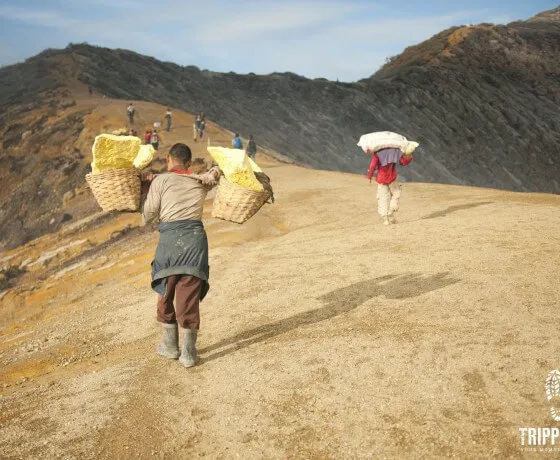
Ijen weather should be assessed at three levels: the broad seasonal pattern, the short-term local forecast, and the real conditions reported on the day. Seasonal guidance helps you choose a travel window, but it cannot tell you exactly what the crater will look like at sunrise.
During the drier months, visitors may experience clearer skies and a less muddy trail. Nevertheless, dry conditions can also bring dust, cold wind, and rapid temperature changes before and after sunrise. During the wetter months, rain jackets and waterproof protection become more important, and cloud may hide the lake or surrounding peaks. Wet stone and soil can make both the ascent and descent more difficult.
Visibility is not controlled by rain alone. Fog, low cloud, volcanic vapour, wind direction, and gas concentration can all affect what visitors see and where they are permitted to stand. A clear forecast in town does not guarantee a clear crater rim.
What Weather Changes on the Ground
Rain changes more than the quality of photographs. It can affect driving time to the trailhead, the condition of access roads, the grip of footwear, walking speed, body temperature, and the time needed to descend. A wet descent can be more demanding than the ascent because tired legs have less stability.
Wind can make the temperature feel much colder and can influence the movement of volcanic gas. Visitors should follow guide and ranger instructions immediately if conditions change. A mask or respirator supplied by an operator is not a licence to ignore exposure, enter restricted zones, or remain in an uncomfortable area.
Cold is another common surprise. Layered clothing is more useful than one heavy item because travellers can adjust as their body warms during the climb and cools while waiting. A moisture-managing base layer, insulating layer, wind-resistant outer layer, long trousers, gloves, and a warm hat can make the experience more manageable.
How Crowds Affect the Experience
Crowds can slow the trail, create queues at narrow sections, reduce the amount of space at viewpoints, and make transport coordination more complicated. Busy periods may also increase demand for accommodation, private vehicles, guides, and equipment.
To reduce crowd pressure, consider travelling on a weekday and avoiding major public holidays where possible. Staying closer to the usual departure area can also reduce the risk of a delayed pickup. A private tour may provide more scheduling control, but it does not remove official opening rules or crowd conditions.
Crowds are not only an inconvenience. On a dark mountain trail, overtaking, stopping abruptly for photographs, or stepping beyond marked areas can create safety risks. Move predictably, keep your group together, and allow faster walkers to pass only where there is adequate space.
How to Match the Trip With Your Schedule
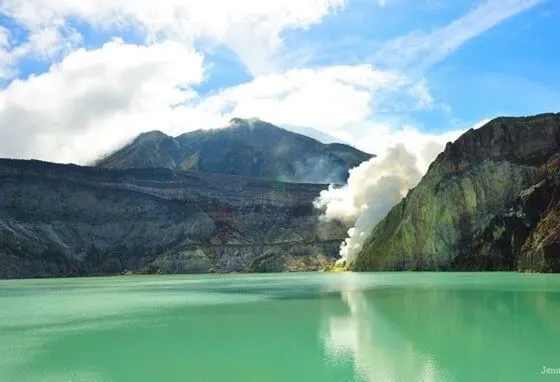
The best Ijen itinerary is one that fits your wider East Java or Bali journey without relying on perfect timing. Common starting points include Banyuwangi, Bondowoso, Bali, Surabaya, and Malang, but journey times depend on the precise pickup point, road conditions, ferry operations, and the transport arrangement.
Banyuwangi is often the most practical base for travellers approaching from Bali or eastern Java. Bondowoso can also be used, depending on the route and operator. Visitors coming from Surabaya or Malang usually need a longer overland or rail journey and should consider spending a night near the departure area rather than treating Ijen as a rushed side trip.
Short-Trip vs Long-Trip Planning
A short itinerary can work when transport connections are reliable and the group is comfortable with an overnight schedule. Even then, include a realistic margin between arrival, check-in, equipment preparation, pickup, and the hike. Do not assume that a nominal arrival time leaves enough time to eat, rest, and solve transport problems.
A longer itinerary is better for travellers who want flexibility. An extra night allows recovery from travel, gives more options if weather changes, and creates time for nearby experiences. It also reduces the pressure to continue when conditions are unsuitable simply because there is no alternative date.
For a one-night plan, choose accommodation with clear late-night pickup arrangements and confirm whether reception is staffed. For a two- or three-night plan, place Ijen after a rest day or light activity rather than after the most exhausting day of the trip.
Time Buffers for Transit and Check-ins
Build buffers around every transport connection. Ferries can be affected by queues and operational conditions. Trains and flights can be delayed. Mountain roads can take longer at night or in poor weather. Pickup times may also shift as operators combine guests from different hotels.
A conservative itinerary includes:
- Enough time to reach the base area before evening.
- Time to eat and sleep before the overnight departure.
- A margin after the hike before any onward train, ferry, or flight.
- A backup activity or rest day if the climb is postponed.
- Clear communication with accommodation about late arrival or early checkout.
Cost, Tour Options, and What to Expect
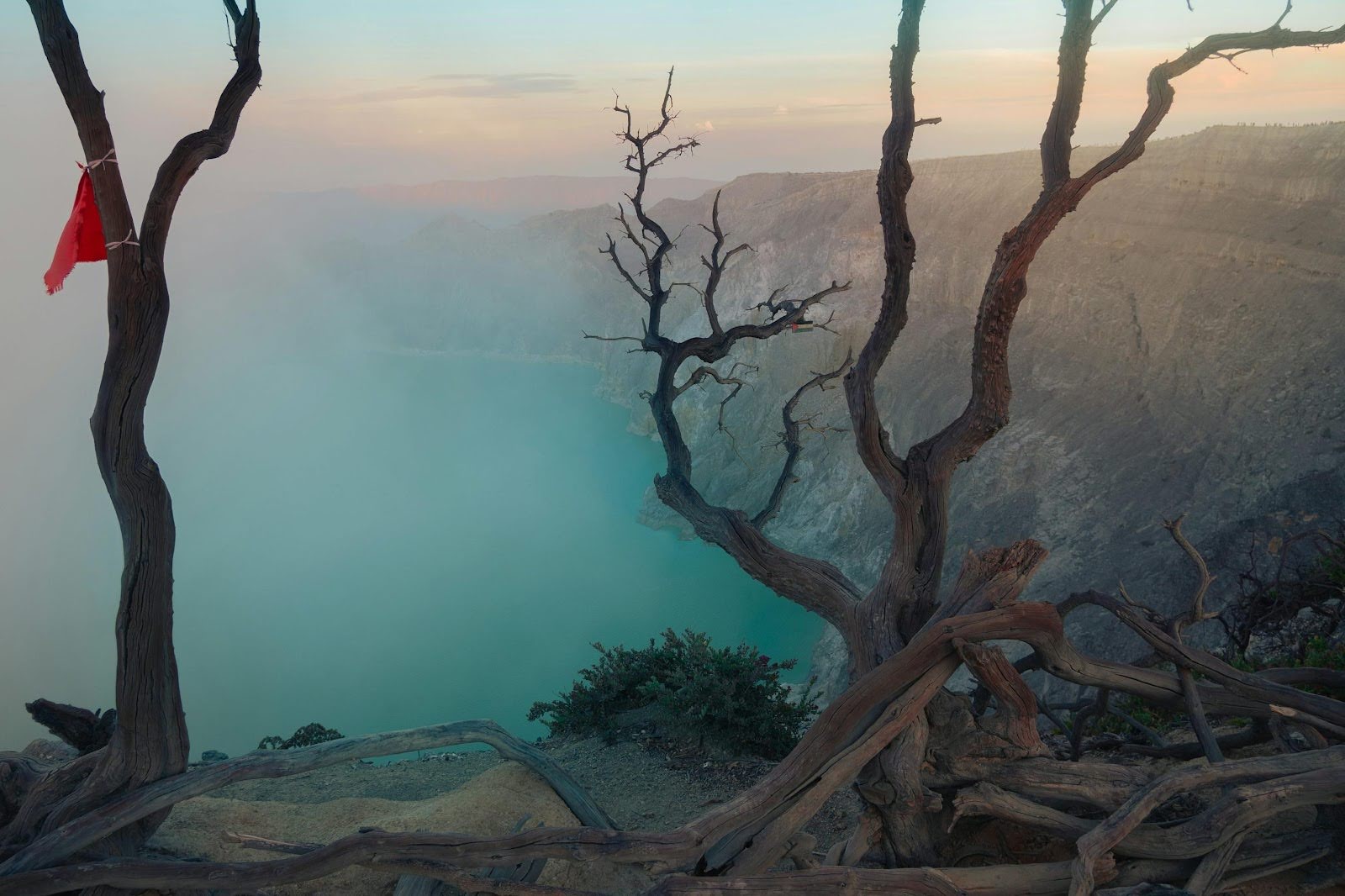
The total cost of an Ijen trip depends on the starting point, group size, transport type, accommodation, entrance fees, guide arrangements, equipment, meals, and whether the tour is private or shared. Prices and required booking procedures can change, so they should be checked on the publication date and reconfirmed before payment.
A low advertised price may cover only transport and basic coordination. A higher price may include hotel pickup, entrance tickets, a local guide, a headlamp, respiratory protection, drinking water, breakfast, and onward transfer. Compare inclusions line by line rather than comparing only the headline price.
Package Types and Inclusions
Shared tours are usually more affordable but may involve fixed pickup times, multiple hotel stops, and less control over the pace. Private tours can be easier for families, photographers, older travellers, or groups with a specific schedule, although official safety rules remain the same for everyone.
Tours from Banyuwangi normally focus on the Ijen climb and local transfers. Packages from Bali may include road transport and the ferry crossing, making the total journey much longer. Tours from Surabaya or Malang may combine Ijen with Bromo or other East Java destinations. These multi-day packages can be efficient, but consecutive sunrise tours and overnight drives can be physically exhausting.
Before booking, ask whether the package includes:
- Pickup and drop-off addresses.
- Private or shared transport.
- Entrance and conservation fees.
- A licensed or authorised local guide where required.
- Headlamp and suitable respiratory protection.
- Water, snacks, or breakfast.
- Insurance and emergency procedures.
- Ferry, train, parking, and toll costs.
- Cancellation terms for weather, closure, or volcanic activity.
- A clear policy for restricted access to the blue fire area.
Typical Budget Variables
Transport is often the largest variable. A private vehicle divided among several travellers may be economical, while a solo traveller may save with a shared tour. Weekend, holiday, and last-minute bookings can cost more because demand rises.
Equipment quality also matters. Confirm whether the headlamp is bright enough, whether spare batteries are available, and what type of respiratory protection is supplied. Visitors should still bring personal essentials such as properly fitting footwear, warm layers, rain protection, water, and necessary medication.
Do not treat the entrance ticket as the full cost of the experience. Add accommodation, food, local transfers, guide services, equipment, tips where appropriate, and the cost of schedule changes. Keeping a contingency budget is useful when a delay requires another night or a different onward connection.
Blue Fire: What Travellers Should Understand
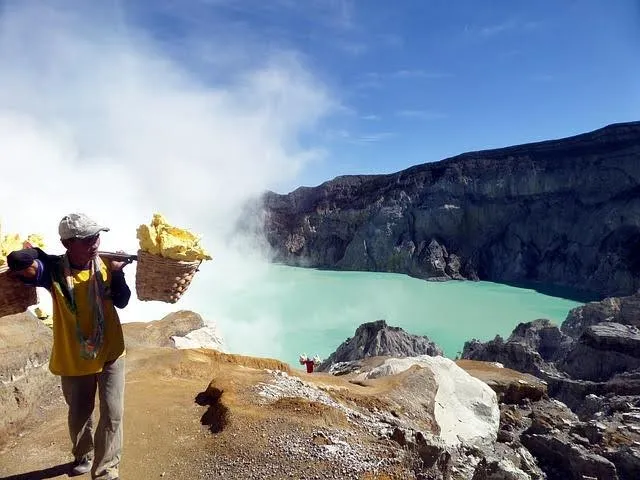
Ijen’s blue fire is caused by the combustion of sulfur-rich gases, not by blue lava. The phenomenon is easiest to see in darkness, but visibility depends on current gas activity, weather, wind, viewing distance, and access restrictions. Photographs taken with long exposure or edited for contrast may look more intense than the experience seen with the naked eye.
The blue fire should be considered a possible highlight, not a guaranteed product. Authorities may prohibit descent or restrict certain areas when conditions are unsafe. Travellers should never leave the permitted route, pressure a guide to ignore restrictions, or remain in an area when sulfur exposure causes coughing, burning eyes, dizziness, nausea, or breathing difficulty.
Seeing sunrise and the crater landscape from an authorised viewing area can still make the trip worthwhile when the blue fire is not visible. A flexible expectation leads to a safer and less disappointing visit.
Booking Checklist and Last-Minute Tips
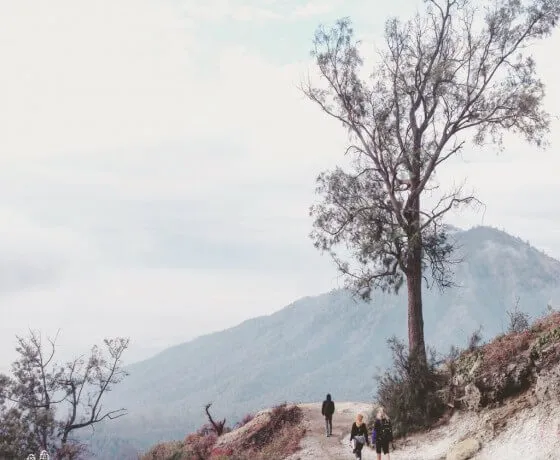
A reliable booking process separates stable information from details that can change. The general nature of the hike is relatively stable; opening status, access zones, prices, medical requirements, schedules, and safety notices are not.
What to Reconfirm
Reconfirm the following shortly before departure:
- Current opening status and permitted visitor hours.
- The volcano’s latest activity level and official recommendations.
- Whether access to the crater or blue fire viewing area is allowed.
- The local weather forecast, including rain, wind, and thunderstorms.
- Pickup time, vehicle details, guide contact, and meeting point.
- Entrance ticket procedure and identification requirements.
- Health declarations or medical certificate requirements, if any.
- Equipment included and items you must bring.
- Refund or rescheduling policy if the site closes.
- Estimated return time and onward transport margin.
Use official conservation, volcanic monitoring, and weather sources wherever possible. Tour operators are useful for logistics, but official instructions should take priority when safety or access is involved.
Useful Backup Plans
A backup plan prevents a closure or poor forecast from ruining the entire journey. Depending on your route, alternatives may include resting in Banyuwangi, exploring local food and culture, visiting plantations or waterfalls that are officially open, adjusting the visit to another day, or continuing to the next destination earlier.
Choose alternatives based on current conditions. Heavy rain that makes a volcano hike unsuitable may also affect waterfalls, rural roads, and other outdoor sites. A café, cultural stop, spa, or flexible hotel day may be more realistic than replacing one risky outdoor activity with another.
Essential Packing List
Bring only what you can carry comfortably, but do not omit core safety and comfort items:
- Supportive footwear with reliable grip.
- A headlamp with adequate power and spare batteries.
- Warm, layered clothing and a wind-resistant outer layer.
- Rain jacket or poncho and waterproof protection for electronics.
- Drinking water and a light snack.
- Personal medication and a small basic first-aid kit.
- Identification and booking confirmation.
- A fully charged phone and portable power bank.
- Respiratory protection appropriate to current operator and official guidance.
- A small bag that leaves both hands free.
Avoid carrying loose items near exposed viewpoints. Keep phones and cameras secured, especially in wind or crowded areas. Follow Leave No Trace principles: take rubbish out, remain on permitted routes, and do not remove sulfur, rocks, plants, or other natural material.
Frequently Asked Questions
What is the best month to visit Ijen?
June to September is often preferred for relatively drier conditions and a better chance of clear views, but weather varies each year. May and October can also work as shoulder months. Check the short-term forecast and official access status before travelling.
Can you see the Ijen blue fire all year?
The phenomenon may occur throughout the year, but seeing it is not guaranteed. Darkness, weather, gas conditions, wind, visibility, and official access restrictions all affect the experience.
Is the rainy season a bad time to visit Ijen?
Not necessarily, but it requires more flexibility. Rain, cloud, slippery ground, and reduced visibility are more likely. Build in an alternative date and avoid climbing during severe weather or when authorities advise against it.
How difficult is the Ijen hike?
The route is commonly described as a moderately demanding uphill hike, but difficulty is subjective. Darkness, cold, altitude, lack of sleep, steep sections, gas, and the descent can make it harder than the distance alone suggests.
Is Ijen suitable for first-time visitors?
It can be suitable for a reasonably fit first-time visitor who follows official rules, uses a reputable operator or guide, carries appropriate equipment, and has no health limitation that makes sulfur exposure or strenuous overnight activity unsafe.
Do I need a guide?
Requirements can change, and certain routes or access arrangements may require authorised guidance. Even where a guide is not universally mandatory, first-time visitors can benefit from local route knowledge, timing support, equipment, and emergency coordination.
What should travellers verify before booking?
Verify opening status, the latest volcanic activity information, permitted access zones, weather, pickup and return times, ticket procedures, health requirements, equipment, insurance, and cancellation terms.
Can I combine Ijen and Bromo?
Yes, many East Java itineraries combine them, but the schedule can involve consecutive pre-dawn starts and long drives. Add recovery time and avoid an itinerary that depends on travelling all night without adequate rest.
Final Planning Advice
The best time to visit Ijen is usually during a drier period when the trail is more manageable and the chance of clear sunrise views is higher. Yet season alone is never enough. The safest and most satisfying trip is built around current access, weather, volcanic monitoring, realistic fitness, adequate sleep, and a backup plan.
Treat the blue fire as a natural phenomenon rather than a guaranteed attraction. Respect restrictions, stay within authorised areas, and be willing to change the plan when conditions are poor. A flexible visit can still deliver a memorable sunrise, dramatic volcanic scenery, and a deeper understanding of one of East Java’s most distinctive landscapes.
Editor’s Verification Note
Before publication or travel, verify changing prices, opening hours, access routes, ticket and health-document rules, volcanic activity, safety notices, and local contact details with the responsible official authorities and service providers.