Komodo National Park is not a single-attraction day out. It is a boat-based journey through exposed seas, rugged islands, wildlife areas, snorkeling sites, and steep viewpoints. For international travelers, choosing the best time to visit Komodo means comparing weather, sea conditions, cruise style, crowd levels, and the time needed to reach Labuan Bajo—the main gateway on the western edge of Flores.
In general, April to June and September to November offer the best balance of relatively dry weather, attractive landscapes, manageable crowds, and a broad choice of boat trips. July and August usually bring some of the driest conditions, but they are also peak travel months and can be windier. December to March is the wetter period, when rough seas, heavy rain, and schedule changes are more likely.
No month guarantees calm water, clear skies, manta rays, or unrestricted access. Conditions can change quickly, especially around narrow channels and exposed crossings. Travelers should therefore treat the “best season” as a planning window, not a promise, and reconfirm the marine forecast and sailing status shortly before departure.
When to Go and Why Timing Matters
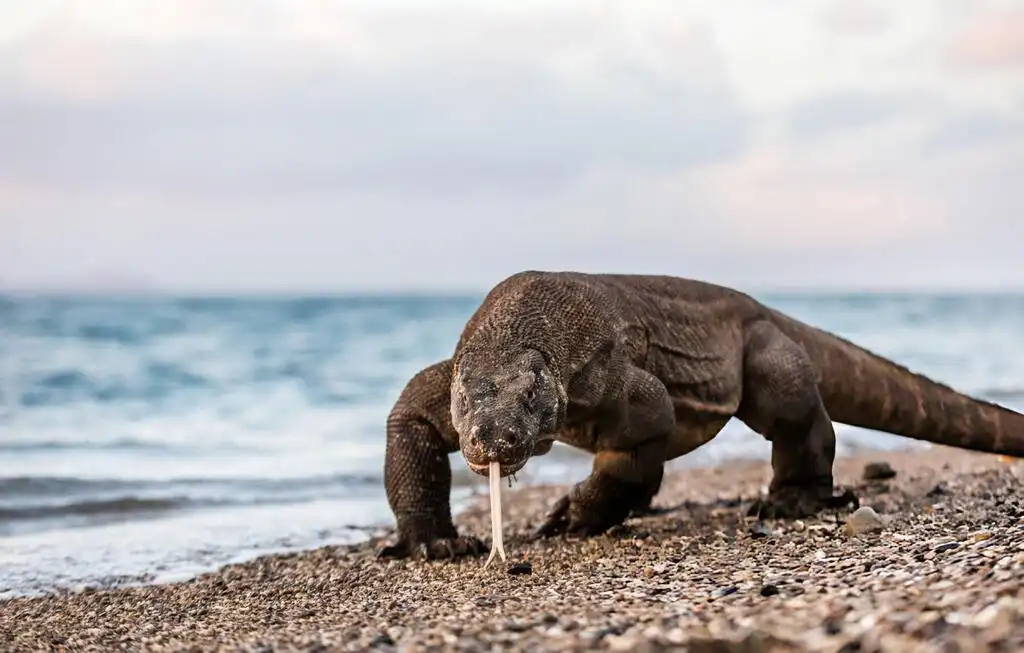
A Komodo itinerary depends on the relationship between land and sea. Even when the sky above Labuan Bajo looks clear, wind, waves, tides, or currents farther inside the national park may affect the route. Operators may change the order of stops, replace an island, shorten snorkeling time, or cancel a departure for safety.
Most visitors choose one of three formats: a full-day speedboat trip, a shared multi-day cruise, or a private/liveaboard charter. The best month for one format may not be ideal for another. A speedboat traveler may prioritize a calm one-day weather window, while a liveaboard guest needs several consecutive days of workable conditions.
Best Months and Reasons
April to June: Best Overall Balance
April often marks the transition out of the wetter season. The islands can still look greener than they do later in the year, while rainfall generally becomes less persistent. May and June are popular because travelers can often combine clearer weather, good visibility, and lower crowd pressure than in July and August.
This period suits first-time visitors, photographers who want some green vegetation on the hills, and travelers planning a two- or three-day cruise. Conditions remain variable, so an extra night in Labuan Bajo is still advisable.
July to August: Driest but Busiest
July and August are commonly among the driest months around western Flores. They coincide with European summer holidays and a busy domestic travel season, so flights, hotels, premium cabins, and private boats can sell out earlier.
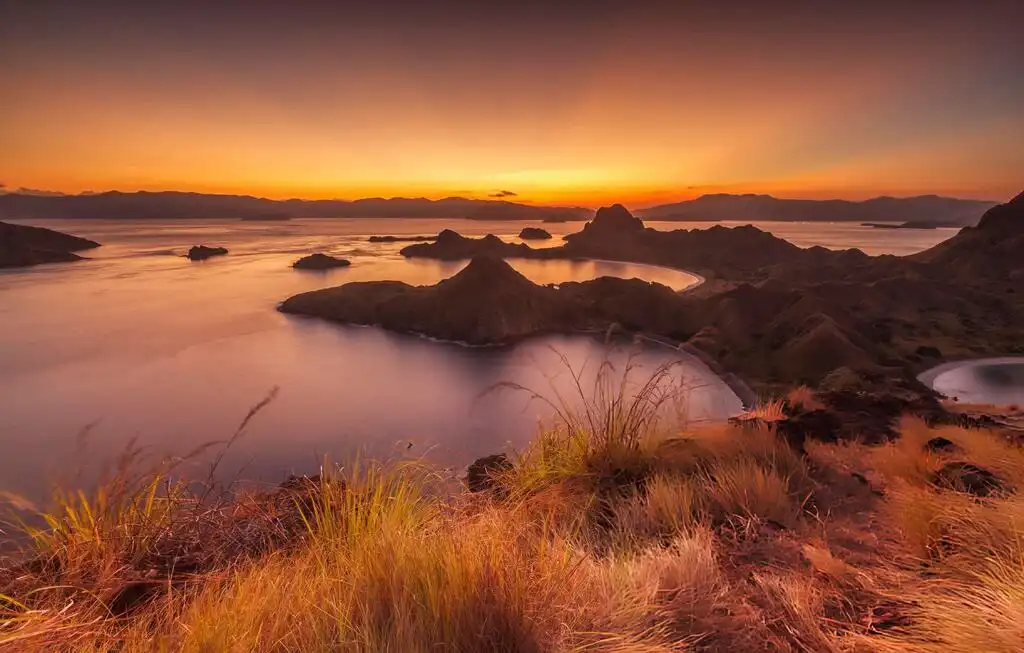
The trade-off is that dry-season winds may create choppier crossings. The landscape also becomes more golden and arid. This is the classic postcard look of Padar Island, but it may feel hot and exposed during midday trekking.
September to November: Strong Shoulder-Season Choice
September usually retains dry-season conditions while some peak-season pressure begins to ease. October and November are transitional months: temperatures can feel hot, and occasional showers become more likely as the wet season approaches.
For travelers with flexible schedules, this period can provide a useful compromise between availability, scenery, and crowd levels. November requires more conservative planning because weather patterns can become less predictable.
December to March: Wetter and More Disruption-Prone
The wetter season normally brings more cloud, rain, humidity, and a higher risk of rough seas. January and February are usually the least reliable months for a tightly scheduled island-hopping trip. Departures may still operate, but route changes and cancellations are more plausible.
Travel during this period is better suited to visitors who can keep several days flexible, accept substitutions, and prioritize Labuan Bajo or mainland Flores activities if the sea route becomes unsuitable.
When to Avoid the Trip

There is no universal “closed season” that applies every year in exactly the same way. However, travelers should avoid committing to a non-refundable, tightly connected itinerary during periods of active severe-weather warnings, high waves, strong winds, or official sailing restrictions.
A trip should also be reconsidered when the selected boat cannot clearly demonstrate legal operating documents, sufficient life jackets, emergency communication equipment, qualified crew, passenger insurance, and a realistic route for the forecast conditions. Cheap pricing should never outweigh basic maritime safety.
Seasonal Weather, Visibility, and Crowd Levels

Komodo has a tropical, seasonally dry climate. Daytime conditions are warm throughout the year, but rainfall, wind, humidity, underwater visibility, and sea state vary. Local weather does not follow a perfect monthly calendar, and climate cycles can shift the start or strength of the wet and dry seasons.
Month-by-Month Planning Guide
- January–February: Wettest planning window; higher chance of rain, rough seas, and schedule changes. Best only with flexible dates and strong backup plans.
- March: Transitional. Rain may begin to ease, but conditions remain changeable.
- April: Greener landscapes, improving weather, and a good shoulder-season option.
- May–June: Often the strongest all-round period for cruises, hiking, snorkeling, and photography.
- July–August: Dry, popular, and visually dramatic, but busier and potentially windy.
- September: Dry-season advantages with slightly less peak pressure.
- October: Hot, generally workable, and transitional.
- November: Increasing humidity and showers; keep buffers.
- December: Wet-season risk rises, particularly later in the month.
What Weather Changes on the Ground
Padar Island involves a steep, exposed staircase and trail. Heat can be more demanding than distance, particularly after mid-morning. Rain may make steps slippery, while strong wind can affect comfort at exposed viewpoints.
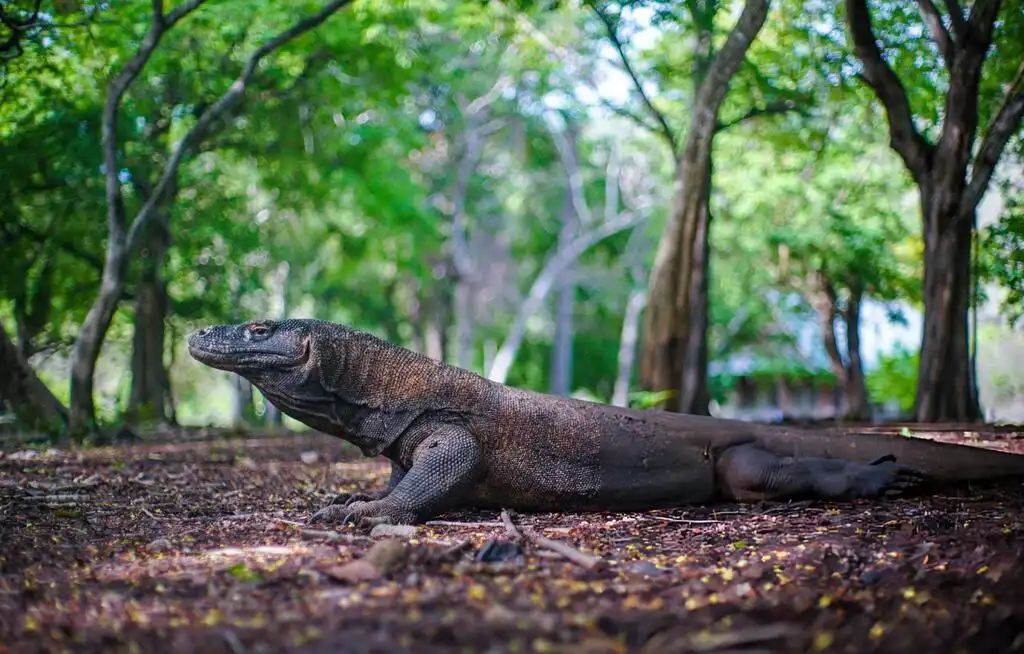
Wildlife walks on Komodo or Rinca are guided and controlled. Komodo dragons are wild animals, so sightings, distance, and activity cannot be guaranteed. Early departures are often preferred because temperatures are cooler and wildlife may be more active before the hottest part of the day.
Snorkeling quality depends on current, tide, wind, sediment, and the exact site used. A famous stop such as Manta Point may be replaced if conditions are unsafe. Manta rays can be seen at different times of year, but no ethical operator should guarantee a sighting.
How Crowds Affect the Experience
Peak-season crowds are most noticeable at Padar’s viewpoint, wildlife arrival points, Pink Beach, and popular snorkeling areas. The busiest hours can create queues on trails and clusters of boats around the same stop.
A private charter may offer more route flexibility, but all vessels remain subject to park rules, weather, tides, and approved access. Shared cruises are more economical, although travelers have less control over departure time, cabin allocation, pace, and stop duration.
How to Match the Trip With Your Schedule

International travelers should plan Komodo as a complete transport chain: international arrival in Indonesia, domestic flight or overland connection to Labuan Bajo, hotel check-in, harbor transfer, boat departure, return to port, and the next flight.
Short-Trip vs Long-Trip Planning
One-Day Speedboat
A full-day speedboat is suitable for travelers with limited time who want several major highlights in one itinerary. It typically starts early and returns in the late afternoon. The pace can be fast, with substantial time spent moving between stops.
This format is less forgiving when weather changes because the entire experience depends on a single day. Travelers should arrive in Labuan Bajo at least one day before departure rather than relying on a same-morning flight.
Two-Day/One-Night or Three-Day/Two-Night Cruise
A multi-day shared cruise provides more time on the water, sunrise or sunset opportunities, and a slower route. Cabin quality varies considerably—from simple deck sleeping to air-conditioned private cabins with ensuite bathrooms.
This is often the best choice for travelers who want the journey itself to be part of the experience. However, passengers should check privacy, ventilation, bathroom arrangements, electricity, drinking water, meal service, and emergency procedures before paying.
Private Charter or Liveaboard
Private boats offer the most control over cabin selection, food preferences, and route pacing. Luxury phinisi-style vessels can provide hotel-level comfort, while smaller private boats may remain basic.
Private does not mean unrestricted. Captains must still respond to marine conditions, park zoning, permits, and harbor instructions.
Time Buffers for Transit and Check-Ins
Plan at least one hotel night in Labuan Bajo before the cruise. For multi-day sailings, two pre-cruise nights are even safer when arriving through a complicated international connection.
After returning, avoid booking a flight that departs immediately after the scheduled harbor arrival. Delays can result from weather, fuel stops, passenger handling, or route adjustments. A final night in Labuan Bajo provides the most protection against missed flights.
Labuan Bajo operates on Central Indonesia Time (WITA), UTC+8. This is one hour ahead of Jakarta and the same time zone as Bali. International visitors connecting through Jakarta should check the time-zone difference when confirming flights and pickup times.
Cost, Tour Options, and What to Expect
Komodo trip prices vary widely. Boat quality, season, cabin type, private versus shared operation, route length, meals, park-related charges, snorkeling equipment, airport transfers, and guide services can all change the final amount.
Package Types and Inclusions
A basic day-trip package may include hotel pickup in central Labuan Bajo, speedboat transport, lunch, bottled water, snorkeling equipment, and a guide. Park entrance charges, ranger services, local levies, insurance, and personal expenses may be quoted separately.
A multi-day package may add accommodation onboard, meals, towels, simple toiletries, and multiple island stops. Premium packages may include private cabins, ensuite bathrooms, air conditioning, higher staff-to-guest ratios, upgraded menus, diving services, or airport transfers.
Before comparing prices, place every quotation into the same checklist. A cheaper package may exclude charges that another operator includes.
Typical Budget Variables
The largest price differences usually come from:
- Boat category and age
- Shared versus private departure
- Cabin type and bathroom arrangement
- Number of days and nights
- High season versus shoulder season
- Group size
- Diving versus snorkeling
- Park, ranger, and local charges
- Hotel and airport transfers
- Payment fees and cancellation terms
Because official fees and local levies can change, travelers should request an itemized written quotation dated close to the trip. The quotation should state which fees are included, which are payable in cash, and whether foreign and domestic visitor rates differ.
Booking Checklist and Last-Minute Tips

A reliable booking decision is based on evidence, not only attractive social-media images. Ask the operator for the vessel name, current photos, cabin plan, legal documents, safety equipment list, emergency process, and exact cancellation policy.
What to Reconfirm
Reconfirm the following 24–48 hours before departure:
- Departure harbor, meeting point, and pickup time
- Boat name and operator contact
- Route and expected return time
- Marine forecast and sailing status
- Included and excluded fees
- Passport or identification requirements
- Life jackets and safety briefing
- Dietary requirements and drinking water
- Cabin allocation and bathroom type
- Snorkeling equipment and suitable sizes
- Luggage limits and dry-storage options
- Cancellation, rescheduling, and refund rules
Travelers should also carry travel insurance that covers medical treatment, boat travel, snorkeling or diving as applicable, evacuation, delays, and cancellations. Diving requires separate attention to certification, recent experience, and operator standards because currents in the area can be strong.
Useful Backup Plans
If boat travel is delayed or cancelled, Labuan Bajo still offers several land-based options. Depending on weather, road conditions, and opening status, alternatives may include Batu Cermin Cave, Rangko Cave, local viewpoints, coastal cafés, cultural trips into West Manggarai, or a rest day before the next sailing window.
Do not treat every backup as automatically available. Some attractions still require a boat, local guide, tide timing, or a long road transfer. Confirm access on the day.
Responsible Travel in Komodo National Park
Komodo National Park is a UNESCO World Heritage property and a sensitive marine ecosystem. Visitors should follow ranger instructions, keep a safe distance from wildlife, avoid feeding animals, remain on designated trails, and never remove sand, coral, shells, or other natural material.
Use reef-safe behavior while snorkeling: do not stand on coral, chase manta rays, touch marine life, or enter the water when the guide considers the current unsafe. Refillable drinking bottles, limited single-use plastic, and operators with responsible waste practices reduce pressure on the islands.
Frequently Asked Questions
What is the best month to visit Komodo National Park?
May, June, and September are often the strongest choices for a balance of relatively dry weather, route availability, and lower crowd pressure than July and August. April and October can also be good transitional options. Actual conditions must still be checked close to departure.
Is Komodo worth visiting during the rainy season?
It can be, but the trip requires flexibility. Rainy-season travelers should expect a greater possibility of rough seas, route changes, cancellations, cloudier viewpoints, and reduced underwater visibility. January and February are generally the highest-risk months for a fixed itinerary.
How many days do first-time visitors need?
Three to four nights in the Labuan Bajo area is a practical minimum. This allows one arrival night, one full-day boat trip, and a buffer before departure. For a two- or three-night cruise, add at least one night before and preferably one night after sailing.
Is a day trip or liveaboard better?
A day trip is efficient and usually cheaper, but it is fast-paced and depends on one weather window. A liveaboard offers a more immersive route and additional sunrise, sunset, and snorkeling opportunities, although comfort and safety standards vary significantly between vessels.
Can travelers see Komodo dragons all year?
The park operates wildlife visits in different seasons, but sightings and behavior are never guaranteed. Dragons are wild, and activity changes with temperature, food availability, breeding behavior, and local conditions. Always follow the ranger and never approach independently.
When is the landscape green?
The hills are generally greener near and after the wetter season, especially around March and April, though timing varies. During the core dry season, the landscape becomes golden-brown, which many travelers associate with the classic Padar Island view.
When is the best time for manta rays?
Manta rays may be encountered year-round, but sightings depend on plankton, current, tide, water conditions, and natural animal movement. Choose an operator that describes sightings honestly rather than guaranteeing them.
What should travelers verify before booking?
Verify the boat, operator, safety equipment, legal documents, insurance, route, cabin, inclusions, exclusions, park fees, cancellation terms, and the latest marine forecast. Keep all commitments in writing.
Is Komodo suitable for first-time visitors to Indonesia?
Yes, especially when the traveler builds in buffer nights and books a reputable operator. However, the trip is more logistically demanding than a standard beach holiday because it combines domestic transport, early departures, boat safety, wildlife rules, heat, hiking, and changing sea conditions.
Final Planning Advice
The best time to visit Komodo is not defined by one perfect month. It is the period when your preferred boat type, available travel days, comfort level, and weather tolerance align.
For most international travelers, May to June or September offers the most balanced starting point. July and August suit travelers who accept peak-season prices and crowds, while December to March requires the greatest flexibility.
Before payment, compare the entire route rather than only the list of attractions. Confirm how you will reach Labuan Bajo, how much time you have before sailing, what the boat genuinely includes, what happens if the route changes, and how you will protect the next flight. A good Komodo itinerary remains workable even when the weather does not follow the brochure.
Editorial Verification Note
Boat schedules, park charges, permit procedures, access rules, weather warnings, safety notices, and local contact details can change. Verify these items with the relevant authorities and the selected operator on the publication date and again shortly before travel.