One bag might seem perfect for Bromo, but then become a hassle once the journey continues to Tumpak Sewu. Before the sun rises in the mountains, a warm jacket is usually most useful. Once you reach the waterfall trail, you’ll need sturdy shoes and quick-drying clothing. So, before packing your bags, consider what activities you’ll be doing.
There’s no need to bring everything just to be safe. This guide will help you sort out what should go in your daypack, what can be left in your main luggage, and what might already be included in your Tripperhood package.
Pack for the Trek You’re Actually Doing
A tour that primarily uses a vehicle is certainly different from a hike that requires you to carry your own pack for hours. On river trails, items hanging out of your pack can get caught; in the mountains, layers of clothing need to be easily removed when the wind picks up. Therefore, consider the terrain and the length of time you’ll be away from your vehicle.
Waterfalls, sunrise treks, and camping
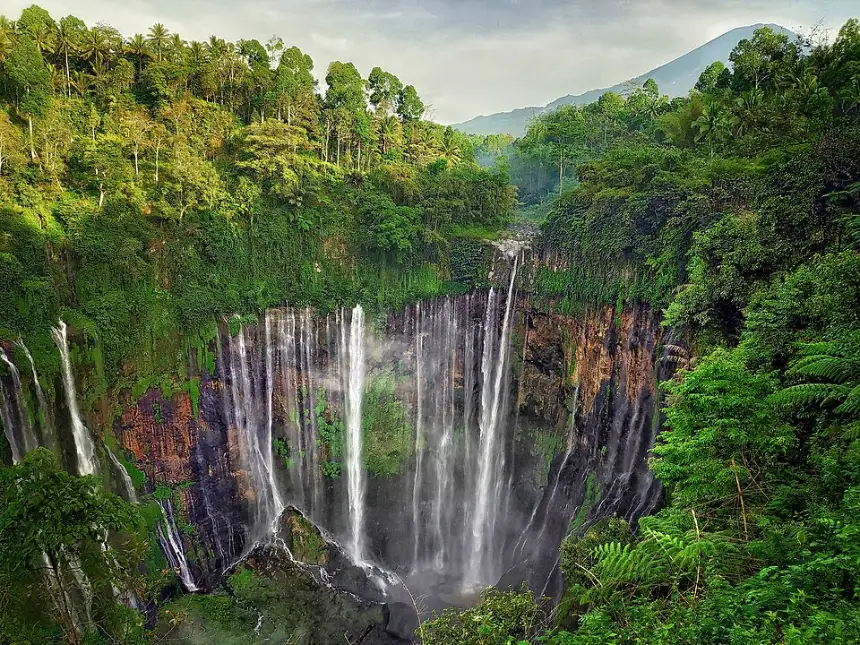
These three examples show the different needs in the field:
- Waterfall tours: On wet trails, secure footing matters more than carrying lots of gear. The Tumpak Sewu Day Tour includes stream crossings and short sections with ropes. Therefore, it’s best to keep your hands free to hold onto rocks or ropes.
- Sunrise tours: Waiting for the sun to rise is different from walking during the day: the cold wind can be felt when the body is not moving much. The Ijen–Bromo–Tumpak Sewu package includes an early morning departure. Choose layers that can be removed once the temperature starts to rise.
- Overnight mountain trekking: Staying overnight means you need to consider conditions after the hike, especially cold weather and activities after dark. On the two-day Merbabu trek, a tent and sleeping bag are included in the package. Personal belongings for the hike must still be provided.
For volcano trips, trail conditions and access status are just as important as the contents of your bag. Check the weather as you approach your trip and follow official warnings for restrictions. Even the best shoes or jacket cannot make a closed trail safe.
What to Bring Yourself vs What’s Included
Check package amenities before purchasing or renting equipment. The Tumpak Sewu day tour includes lunch and mineral water. The Ijen–Bromo–Tumpak Sewu 4D3N package includes headlamp and gas mask rental for Ijen. The Merbabu 2D1N package includes tents, mattresses, sleeping bags, food, water, and porters for camping equipment, not personal luggage. These details apply to the packages mentioned; other itineraries may vary.
For borrowed equipment, also pay attention to when it’s received and returned. For example, a headlamp provided for Ijen activities may not be usable throughout the rest of the trip.
Clothing and Footwear You’ll Actually Use
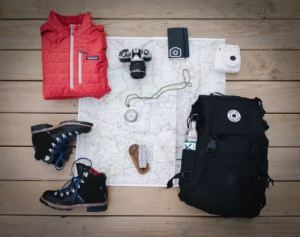
Your bag doesn’t have to contain multiple jackets. Choose several layers with different functions: one that’s comfortable to wear while moving, one that’s warm when you stop, and one that protects you from wind or rain.
Layer Up Without Overpacking
Simple combinations are usually easier to use throughout the trip:
- Quick-drying t-shirts and loose-fitting trekking pants are perfect for daytime walks. Thick jeans tend to feel heavy and take a long time to dry after getting wet.
- When setting off before dawn or spending the night in the mountains, pack a fleece or sweater, a windbreaker, and a head covering. Gloves can be helpful if the morning temperature is quite chilly.
- A lightweight raincoat or rain shell is useful when the weather changes. To prevent extra clothing and electronics from getting wet, store them in a waterproof bag inside your bag.
- A set of dry clothes for after wet activities including socks is often more useful than bringing several additional similar clothes.
Clothes for the return trip should remain tightly covered until the water activities are over. This way, you won’t have to sit in the vehicle wearing damp t-shirts and socks.
Choose Shoes for Grip, Not Just the Label
Properly fitting hiking shoes are invaluable when navigating sloping terrain or descending rocky trails. For Mount Merbabu, look for soles with a tread appropriate to the terrain and sufficient toe space for your feet as they descend. Try walking a few times in the trekking socks you’ll be wearing; don’t make the day of your climb your first test run of new shoes.
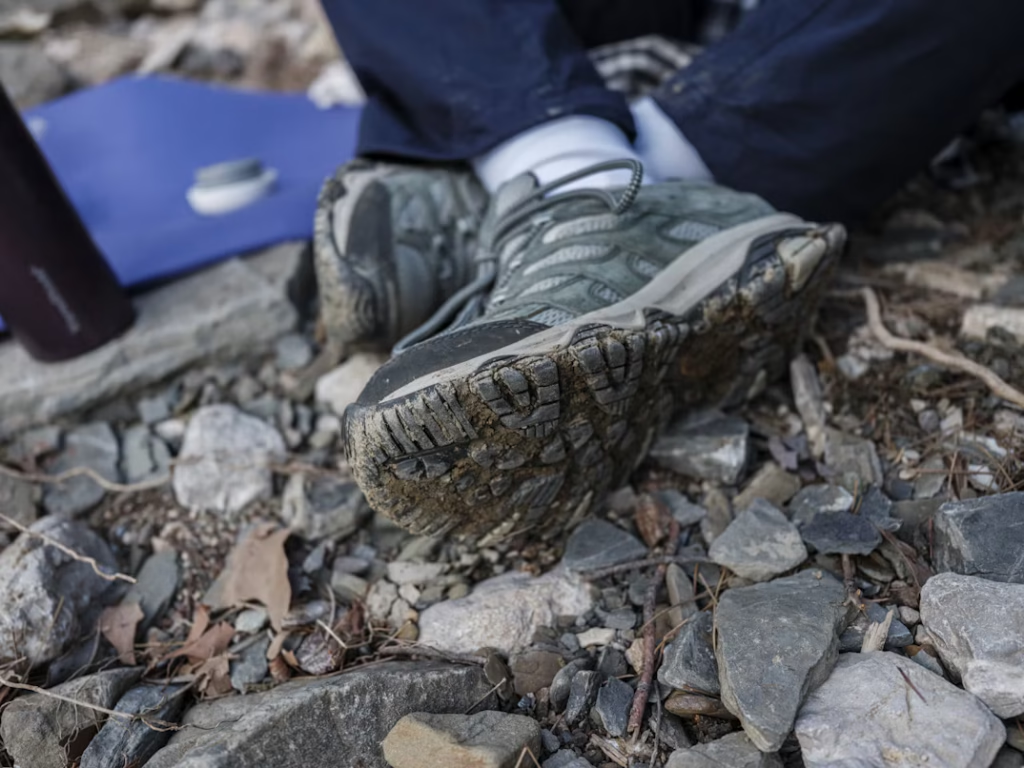
Tumpak Sewu presents a different set of challenges: water-soaked rocks and sections of the trail that require careful traversal. Shoes that fit securely and offer good grip on wet surfaces are more useful than just being labeled waterproof. Avoid flip-flops or footwear that slips off easily; adjust your final choice based on the trail conditions as described by your guide.
Spare socks will be invaluable if your footwear gets wet. On uphill trails, trekking poles can help with balance, but save them for when both hands are needed to hold onto rocks or ropes.
Daypack Essentials for Your Trek
Separate your travel essentials from your luggage. Items you’ll use the next day don’t need to fill your daypack. For documents and valuables, choose a secure storage location and don’t leave them unattended.
What should go in a daypack?
For day trips where the operator handles the main logistics, a daypack of around 15–25 liters can be a good starting point. The right size makes it easy to carry water, a jacket, and personal items without leaving too much space for items you might end up not using. The contents might include:
- A small waterproof pouch for your phone, documents, and other items that need to stay dry; store it in an easy-to-reach compartment.
- Water bottles or pouches. The amount depends on the duration of the walk, the weather, and information about refill points.
- Snacks that don’t break easily, such as nuts, bread, or dried fruit, for trips with long meal breaks.
- A headlamp with sufficient power, especially if the trip starts before light or ends after dark. Spare batteries are useful for long trips.
- Hats, sunglasses, and sunscreen. Buffs can help with dust, but they can’t replace the gas masks required for certain activities on Ijen.
- Routine medications and personal supplies, including band-aids. Don’t assume all your medication needs are in the group first aid kit.
- Guide contacts, meeting points, and a copy of the itinerary that remain accessible when cellular signal is lost.
For a general reference on basic outdoor gear, see the National Park Service‘s Ten Essentials Guide.
Documents, Medication, and Hygiene Essentials
Place your identification and proof of booking in a waterproof case, not in an outside pocket of your bag that could get wet. If your trip includes Ijen, check the documentation and health requirements for your departure date.
Prescription medications, inhalers, or allergy medication should always be in your daypack. These items won’t be of much help if they end up in your checked baggage at night. Notify the operator in advance if there are any conditions that need to be considered when selecting a route.
Tissues, hand sanitizer, small trash bags, and a bag for wet clothes may seem trivial. However, these items are essential when there’s no convenient place to stop and unpack.
Test Your Packed Bag Before Departure
Fill your bag to its original condition: water, a jacket, snacks, and a camera if you’re carrying one. Try walking for a few minutes. If your shoulders start to ache or your water bottle becomes difficult to reach, it’s better to rearrange it now than once you’re on the trail.
Pack So You Can Find What You Need
Heavier items generally feel more stable when placed close to your back. Avoid piling everything at the bottom or to one side. On long hikes, an unbalanced pack can be more tiring than the weight itself.
Drinking water, a rain jacket, and a headlamp should be easily accessible. For electronics and dry clothing, use a waterproof protective layer inside your bag; an outer rain cover alone isn’t enough to withstand splashes and rain from various directions.
After wet activities, separate socks and damp clothing from the rest of your bag. A microfiber towel tucked into the top will be easier to grab before returning to your vehicle.
Things to ask the guide
Before you depart, check the following items against your itinerary and package details. Not everything needs to be asked repeatedly at each stage of preparation:
- Are there any changes to trail conditions, rain forecasts, or official restrictions in the areas you are visiting?
- How do you arrange drinking water and food while walking, especially if there are no places to buy food along the way?
- What equipment is included and when do you receive it, especially for early morning activities or overnight stays?
- If the package uses a porter, which items are transported and are there any additional charges for personal bags?
- Are there any documents, health requirements, or special meeting points that need to be prepared?
Address this question when your itinerary is clear, not on the morning of departure. If you’re missing any equipment, there’s still time to find alternatives.
Keep Personal Gear Separate from Group Equipment
Camping equipment and cooking utensils are usually handled according to the group’s division of labor. Emergency needs like medication or drinking water should be kept close at hand. Don’t rely on opening your supply bag mid-trip.
Try not to hang too many items outside your bag. Bottles, spare sandals, or swaying bags can get caught in narrow passages. Storing your gear neatly also reduces the risk of items falling out when crossing waterways.
On overnight treks, the contents of your daypack will differ from those brought to camp. Sleepwear and camping gear can wait until you arrive, but drinking water, rain gear, and personal medications should be ready for use throughout the trek.
Chosen Your Route? Finalize Your Packing List
Once you have a route and travel dates, you can inquire about trail-specific equipment through the Tripperhood contact form. Include the number of participants and your pick-up point so the team can match your packing list to what’s included in your selected tour.
Frequently Asked Questions
What kind of shoes are suitable for Tumpak Sewu?
Look for sturdy footwear with soles that won’t slip easily on wet rocks. Flip-flops are not a good choice. For the latest trail conditions, consult your guide before setting out.
What kind of jacket do you need for sunrise at Bromo or Ijen?
Removable warm layers are more practical: for example, a t-shirt, a fleece, and a windbreaker. If your itinerary includes an early morning Ijen ascent, check to see if a headlamp and gas mask are included.
Is it necessary to bring your own tent to Merbabu?
For the 2D1N Merbabu package listed on Tripperhood, a tent, mattress, and sleeping bag are included. You’ll still need to prepare your own supplies for the trek; carrying your own bags by a porter is not included in the basic package.
Does a day tour require a headlamp and raincoat?
It depends on the time of day and the route. A headlamp is necessary if you’re hiking in the dark, while a light raincoat is wise when the weather is likely to change. On daytime tours, lighting requirements may vary.
How Can You Keep Your Phone Dry at a Waterfall?
Store your phone in a waterproof pouch and avoid placing it in an outside pocket. Bring another bag for wet clothes after descending the waterfall trail.