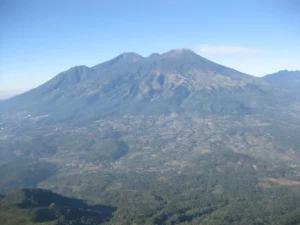
Mount Bromo is one of the most recognizable volcanic landscapes in Indonesia, but planning a successful visit involves more than choosing a viewpoint and arriving before sunrise. Travelers must coordinate departure times, hotel pickups, road transfers, local jeep arrangements, entrance procedures, weather conditions, and the journey after the main sightseeing stops.
The most practical way to approach a Mount Bromo trip is to treat it as a route-and-timing decision rather than a visit to a single attraction. A traveler starting in Malang will face a different schedule from someone leaving Surabaya, Probolinggo, Jakarta, or Bali. The best option also depends on whether the priority is sunrise photography, a comfortable family trip, a short day tour, or a longer East Java itinerary.
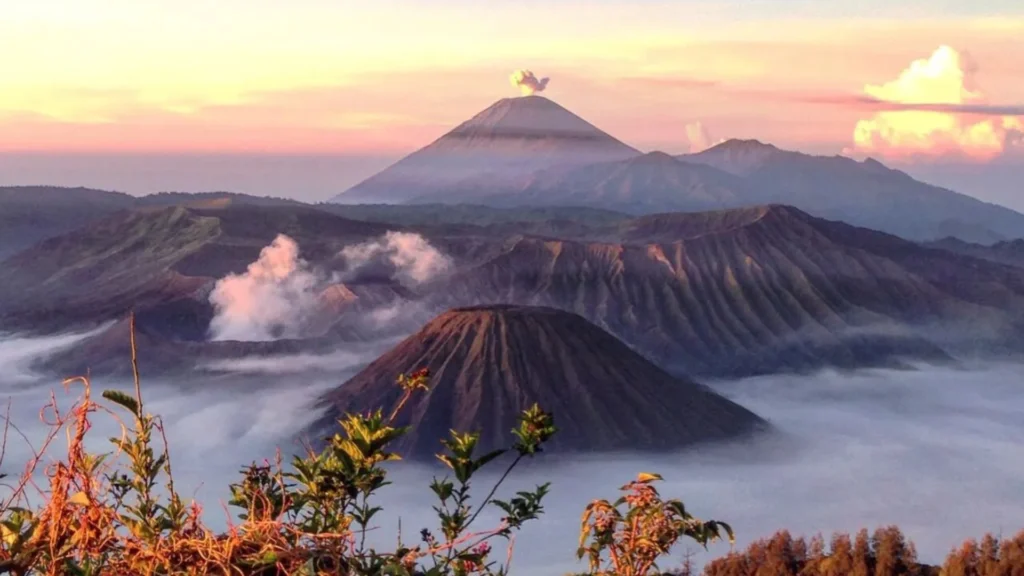
Most sunrise tours combine an early transfer with a local four-wheel-drive jeep ride into the Bromo Tengger Semeru area. Typical stops may include a sunrise viewpoint, the Sea of Sand, Mount Bromo crater, and nearby scenic areas. However, actual routes can change because of weather, volcanic activity, local ceremonies, road conditions, crowd controls, or temporary access restrictions.
This Mount Bromo travel guide explains what to prepare before booking, how to compare private and shared tours, which factors affect the total cost, and how to identify a reliable operator. It is designed for travelers who want a realistic plan without assuming that clear skies, exact arrival times, or unrestricted access can always be guaranteed.
What You Need Before Booking
Before booking a Mount Bromo sunrise tour, organize the basic details of your trip. Operators can only provide an accurate itinerary when they know where you are starting, how many people are traveling, what happens after the tour, and whether anyone in the group has special requirements.
Do not compare packages by headline price alone. One package may include hotel transfers, a local jeep, entrance fees, breakfast, and accommodation, while another may cover only the vehicle from the departure city. A cheaper offer can become more expensive once mandatory extras are added.
Travelers should also check current information close to the departure date. Entrance arrangements, visitor quotas, temporary closures, route restrictions, and operating conditions may change. Official national park announcements and direct confirmation from the operator are more useful than an old itinerary copied from a blog or social media post.
Information to Prepare
Start with your exact departure location. State whether you will leave from Surabaya, Malang, Probolinggo, Pasuruan, Cemoro Lawang, or another area. If you are arriving from Jakarta or Bali, include your flight or train arrival time and the station or airport you will use.
Your hotel name and address are equally important. A pickup described as “from Malang” or “from Surabaya” may not cover every district without an additional charge. Two hotels in the same city can also have different travel times, particularly when pickups happen around midnight.
Prepare the following information before requesting a quotation:
- Travel date and preferred tour date.
- Number of adults and children.
- Ages of young children or older travelers.
- Hotel name and full pickup address.
- Arrival details if traveling by plane or train.
- Preferred drop-off point after the tour.
- Amount and size of luggage.
- Private or shared tour preference.
- Any mobility, medical, or dietary considerations.
- Main priorities, such as sunrise, photography, the crater, or avoiding crowds.
Your post-tour plan deserves particular attention. Tell the operator whether you need to return to the same hotel, reach a train station, catch a flight, travel to Ijen, or continue to another city. A Bromo tour can finish later than expected because of traffic, queues, weather, or delays at individual stops.
Avoid scheduling a flight or train too close to the estimated return time. An itinerary is a planning tool, not a guarantee. Build a reasonable buffer, especially during weekends, public holidays, or peak travel periods.
Questions to Ask the Operator
Ask for a written explanation of what the price includes. The words “complete package” or “all-inclusive” can mean different things to different operators. A transparent quotation should separate included services from optional or excluded costs.
Useful questions include:
- Is the transfer from my hotel private or shared?
- Is the local Bromo jeep included in the quoted price?
- Are national park entrance fees included?
- Does the rate change for weekends, holidays, or foreign visitors?
- Which sunrise viewpoint is planned?
- Which attractions are included after sunrise?
- How many passengers will share the jeep?
- Is breakfast included, and where is it served?
- Is accommodation included in an overnight package?
- What is the estimated pickup and return time?
- What happens if access is restricted or the area is temporarily closed?
- What is the cancellation and date-change policy?
- Who is the operational contact on the day of departure?
Ask whether the route is fixed or flexible. Some shared tours follow a strict schedule, while private tours may allow limited adjustments. Even on a private tour, route changes may be necessary when roads are congested, viewpoints reach capacity, or park authorities introduce temporary controls.
It is also important to clarify what “private” means. A package may provide a private jeep inside the Bromo area but use a shared transfer from Surabaya or Malang. Request a clear explanation for each stage of the journey.
Tour Formats and Route Options
Mount Bromo tours are commonly organized by group type, duration, departure city, and level of service. The most suitable format depends on budget, comfort, travel experience, and the schedule before and after Bromo.
Travelers leaving from Surabaya or Malang often begin late at night and reach the Bromo area before dawn. Those staying near Cemoro Lawang, Tosari, Sukapura, or Ngadisari usually have a shorter early-morning transfer. The closer starting point can reduce overnight driving, but accommodation quality and road access vary by location.
Bromo Entrance Points
Mount Bromo can be accessed through three main entrance areas: Cemoro Lawang/Sukapura, Wonokitri/Tosari, and Tumpang/Malang. Each entrance has different access routes, accommodation options, and onward travel connections, so choosing the right entrance is important when planning your Bromo itinerary.
Cemoro Lawang / Sukapura
Cemoro Lawang and Sukapura are accessed from Probolinggo City. This route is usually convenient for travellers starting from Surabaya or Malang and continuing toward Ijen or Banyuwangi.
This is also the area with the largest selection of hotels and restaurants. Madakaripura Waterfall is located along this route, making it a convenient option if you want to include the waterfall in your Bromo itinerary.
Accommodation options in this area include Artotel Cabin Bromo, Manis Ae Cottage, Jiwa Jawa, Mount View Cottage, and Lava Group Hotels.
Wonokitri / Tosari
Wonokitri and Tosari are accessed from Pasuruan City or Purwodadi. This route can work well for travellers starting from Malang or Surabaya and returning to either city after visiting Bromo.
Accommodation is more limited compared with the Cemoro Lawang side. The two larger hotel options in this area include Plataran Bromo and Jambuluwuk Bromo, while most other properties are smaller guesthouses. Restaurant options are also more limited, with many dining choices located within the hotels.
Tumpang / Malang
The Tumpang route is accessed from the southern side of Malang. The jeep journey is generally the longest of the three routes because it passes through the savannah before reaching the sunrise viewpoint.
This route also connects with Ranu Pane, the basecamp for trekking to Mount Semeru. There are restaurants and accommodation options in the area, including Bromo Hillside, which is known for its views over the savannah.
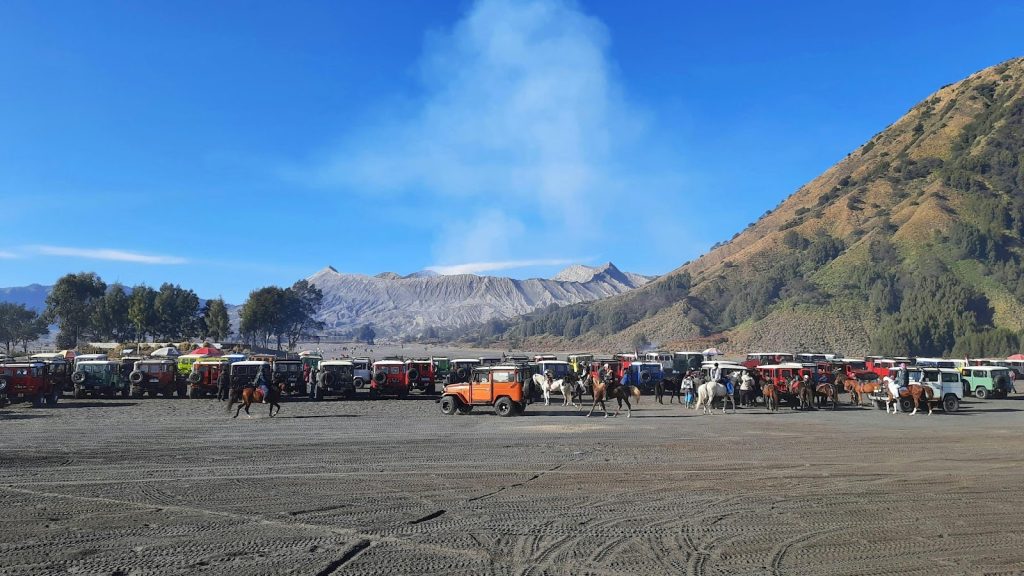
The three entrance areas are separated by the Sea of Sand within Bromo Tengger Semeru National Park. Regular cars cannot cross the Sea of Sand, so visitors need to use a local 4WD jeep for this section of the journey.
For this reason, choose your hotel and entrance area carefully. If you stay on the wrong side of Bromo, you may need to travel via the lower roads and take a detour that can add around 2–3 hours to the journey.
Private vs Shared Trips
A private Mount Bromo tour is reserved for one booking group. It usually provides more control over pickup arrangements, seating, rest stops, and the pace of the trip. This format is particularly useful for families, couples, photographers, older travelers, or visitors who prefer not to wait for other passengers.
The main advantages of a private trip include:
- Direct pickup with fewer hotel stops.
- Greater flexibility for breaks and meal timing.
- Easier coordination for children or older travelers.
- More control over luggage and vehicle space.
- Better ability to discuss minor itinerary adjustments.
- More privacy during long road transfers.
Private tours usually cost more per person when the group is small. However, the price difference may become reasonable for families or groups that can divide the vehicle cost.
A shared tour, often marketed as an open trip, combines travelers from separate bookings. This reduces the cost per participant and can work well for solo travelers or couples with flexible schedules.
The trade-off is reduced control. Shared tours may involve several pickup points, assigned seating, fixed stop durations, and limited flexibility when one participant is late. Confirm the maximum group size and whether both the city transfer and local jeep are shared.
Choose a shared tour when price is the main priority and you are comfortable following a group timetable. Choose a private tour when comfort, time control, or special requirements matter more than the lowest possible rate.
Day Trip vs Overnight Trip
A Mount Bromo day trip usually starts late at night or shortly after midnight. Travelers are collected from a hotel in Surabaya, Malang, or another departure point and driven toward the Bromo area before transferring to a local jeep.
The key advantage is efficiency. You do not need to change hotels or pay for accommodation near the mountain. This format is suitable for travelers with limited time who are comfortable sleeping in a vehicle and managing a long day.
A day trip may be less suitable for young children, older travelers, people who experience motion sickness, or anyone who needs regular sleep. The combination of night driving, cold temperatures, walking, and a long return journey can be tiring.
An overnight trip allows travelers to stay closer to the Bromo entrance before the sunrise tour. Accommodation may be available around Cemoro Lawang, Sukapura, Ngadisari, Tosari, or other nearby areas.
Benefits of staying overnight include:
- A shorter transfer before sunrise.
- More time to rest before the jeep pickup.
- A less demanding schedule for families.
- Easier access to evening or daytime scenery.
- More flexibility when combining Bromo with other East Java destinations.
The main disadvantages are the additional accommodation cost and the need to manage luggage. A hotel advertised as “near Bromo” may still require a significant drive, so check the exact location rather than relying on the property description alone.
For first-time visitors who value comfort, an overnight stay is often easier. For travelers with a tight schedule and good tolerance for overnight transport, a day trip can be practical.
Price Factors and What Usually Changes the Cost
The price of a Mount Bromo tour is affected by more than distance. The final cost may include a city transfer, local jeep rental, entrance fees, accommodation, meals, guide services, and a different drop-off location.
A small schedule change can sometimes affect the cost more than a small change in distance. For example, a holiday departure, a last-minute booking, or an additional airport transfer may increase the total price even when the sightseeing route remains the same.
Season and Availability
Demand usually increases during weekends, Indonesian public holidays, school holidays, and popular travel seasons. Local jeeps, hotels, and private vehicles can sell out earlier during these periods.
Availability may also be affected by cultural events, national park policies, volcanic conditions, maintenance, or temporary closures. Mount Bromo is part of a living cultural and natural landscape, and access may be adjusted to respect Tengger community ceremonies or to protect visitor safety.
Weather influences the experience but should not be treated as a promise. Dry-season travel may offer a better chance of clearer conditions, yet cloud, fog, wind, or volcanic haze can still reduce visibility. During wetter periods, travelers may encounter rain, muddy paths, colder wind, and slower road conditions.
A responsible operator will not guarantee a perfect sunrise. Instead, the operator should explain alternative plans, realistic timing, and the limits of what can be controlled.
Book earlier for peak dates, but confirm the cancellation and change policy before paying. Early booking is useful only when the terms are clear.
Transport and Accommodation Choices
Transport is often one of the largest cost components. A private vehicle from Surabaya generally costs more than a shorter transfer from Malang, Probolinggo, or a hotel near Bromo. Multiple pickup points, airport transfers, or a different final destination can also increase the rate.
Ask about the vehicle type, but focus on practical capacity rather than brand. Check the number of passenger seats, luggage space, air-conditioning, seat belts, and whether the vehicle is used privately or shared.
The local jeep is a separate part of many Bromo itineraries. Confirm how many passengers will be placed in one jeep and whether your group will have exclusive use of it. A lower price may involve more passengers and less space.
Accommodation prices vary according to:
- Distance from the Bromo access point.
- Room type and occupancy.
- Weekend or holiday demand.
- Hot-water availability.
- Breakfast and meal arrangements.
- View, location, and property category.
- Child and extra-bed policies.
- Heating or room comfort in cold conditions.
A property with a dramatic view may not provide the same facilities as a city hotel. Read recent reviews for cleanliness, water temperature, road access, noise, and pickup convenience. Choose the property based on sleep quality and logistics, not only promotional photographs.
How to Choose the Right Operator
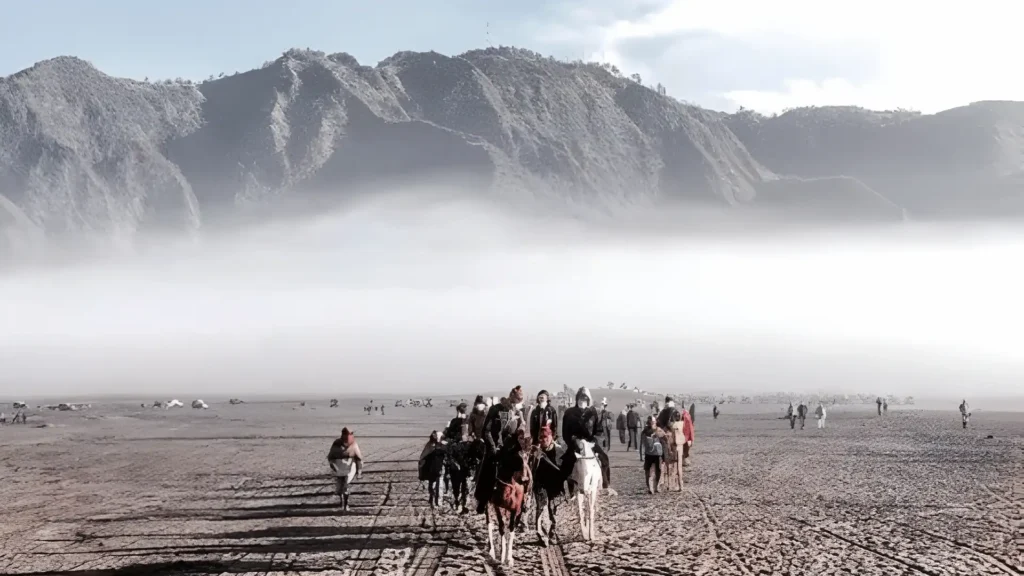
A good Mount Bromo operator does more than arrange a driver and jeep. The operator must coordinate multiple stages of a journey that often begins at an unusual hour and may be affected by conditions outside anyone’s control.
Reliable communication before payment is one of the strongest indicators of service quality. An operator who provides vague answers during the booking process may be difficult to contact when a schedule changes.
Signs of a Reliable Operator
A reliable operator should provide a written itinerary, price breakdown, pickup arrangement, cancellation policy, and operational contact. The operator should also ask questions about your group instead of immediately requesting payment.
Positive signs include:
- Clear business identity and contact information.
- Recent, credible reviews across more than one platform.
- Specific answers about inclusions and exclusions.
- Realistic explanations about weather and timing.
- Written cancellation and rescheduling terms.
- A booking confirmation or invoice.
- Safe payment instructions under a consistent name.
- Questions about children, older travelers, or mobility needs.
- A reachable contact person for the departure day.
Be cautious when an operator guarantees clear weather, claims that every stop is always accessible, or pressures you to transfer money immediately. Extremely low prices should be examined carefully because essential items may be excluded.
Check whether reviews describe the same service you are booking. A company may receive positive feedback for a different destination or package. Look for recent reviews that mention Mount Bromo, pickup reliability, vehicle condition, driver communication, and problem handling.
How to Compare Offers
Compare offers using the same checklist. Do not compare a shared day tour with a private overnight package as though they were equivalent.
Create a simple comparison table with these fields:
- Departure and drop-off location.
- Private or shared city transfer.
- Private or shared jeep.
- Maximum number of passengers.
- Entrance fees.
- Accommodation.
- Meals and drinking water.
- Sunrise viewpoint.
- Included sightseeing stops.
- Estimated return time.
- Cancellation and change policy.
- Total price and payment schedule.
Consider route realism as well as the number of stops. A package with many attractions may leave very little time at each location. Parking, walking, queues, photographs, meals, and traffic all consume time.
Ask the operator which stops may be shortened or removed if the tour runs late. A clear priority order is more useful than an overloaded itinerary that cannot be completed comfortably.
Booking Checklist and Mistakes to Avoid
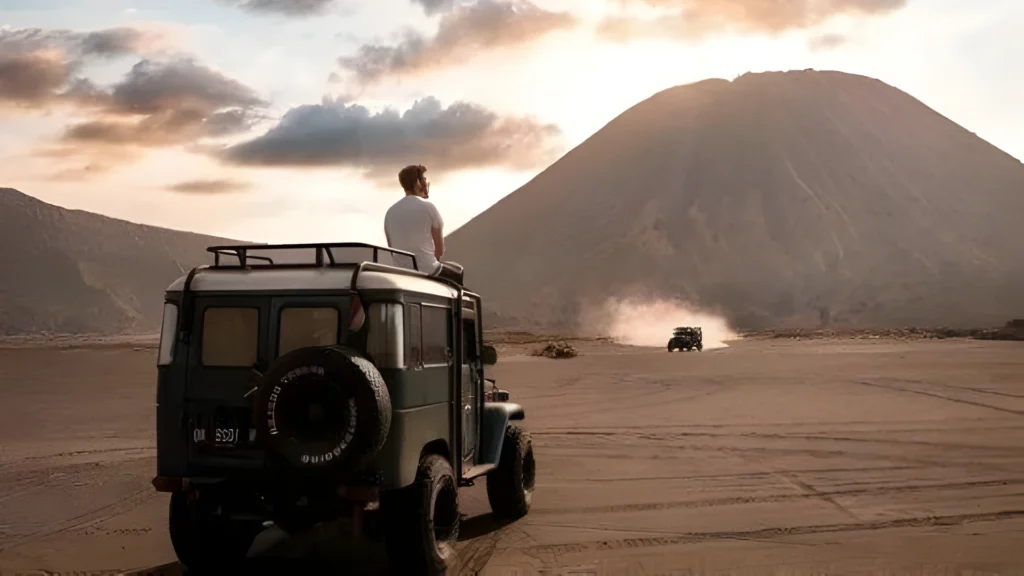
Many booking problems happen because travelers focus on promotional images and ignore operational details. A beautiful sunrise photograph does not explain the pickup location, jeep capacity, entrance process, or refund policy.
Use a written checklist before payment and again before departure.
Before Payment
Confirm the following information:
- Correct travel date and number of participants.
- Full pickup address and pickup time.
- Final drop-off location.
- Private or shared service for each transport stage.
- Vehicle and jeep arrangement.
- Complete list of included stops.
- Entrance fees and local charges.
- Meals, water, and accommodation.
- Deposit amount and payment deadline.
- Cancellation and rescheduling terms.
- Procedure if the area is closed or access changes.
- Operator name, phone number, and payment details.
- Written invoice or booking confirmation.
Avoid paying based only on a short chat conversation. Save the itinerary, payment receipt, and confirmation message. Verify any unexpected change of bank account or payment recipient through the operator’s established contact channel.
Common mistakes include assuming that entrance fees are included, choosing a hotel without checking its exact location, booking a tight flight after the tour, and failing to mention large luggage.
Another mistake is selecting a package based only on the number of destinations. A shorter, realistic itinerary can deliver a better experience than a rushed tour with too many stops.
Before Departure
Reconfirm the tour one or two days before departure. Ask for the final pickup time, driver or coordinator contact, meeting point, and any updated access information.
Prepare practical clothing and equipment:
- Warm layers and a wind-resistant jacket.
- Long trousers and comfortable socks.
- Closed shoes with reliable grip.
- Rain protection.
- Mask or face covering for dust.
- Drinking water and light snacks.
- Personal medicine.
- Identification and booking confirmation.
- Power bank and charging cable.
- Small amount of cash.
- Compact day bag.
Temperatures before sunrise can feel much colder because of wind and inactivity at the viewpoint. Layered clothing is more adaptable than relying on one heavy jacket.
Keep luggage to a minimum during the jeep portion. The vehicle may have limited storage, and large suitcases can reduce passenger comfort. Ask where baggage will be stored if you are changing hotels after the tour.
Eat lightly before a winding overnight drive if you are prone to motion sickness. Inform the driver in advance if you may need a break.
Frequently Asked Questions
What Should Travelers Verify Before Booking?
Travelers should verify the pickup and drop-off locations, transport type, jeep arrangement, entrance fees, included attractions, estimated duration, and cancellation policy. They should also confirm whether the quoted price changes on weekends or public holidays.
The meaning of “private tour” must be checked carefully. Ask whether the city transfer, local jeep, and sightseeing schedule are all private or whether only one part of the journey is exclusive.
Travelers should review current official information regarding access, reservations, visitor controls, and temporary closures before departure. Old itineraries and social media posts may no longer reflect current procedures.
Finally, verify the return plan. Allow extra time before flights, trains, or important appointments because the tour can run late.
Is This Trip Suitable for First-Time Visitors?
Yes. Mount Bromo is suitable for many first-time visitors when the tour is planned according to the group’s comfort, mobility, and schedule.
A package that combines hotel pickup, transport, a local jeep, entrance arrangements, and a clear operational contact can simplify the experience. First-time visitors should avoid assuming that the trip is effortless simply because it is popular.
The journey may involve overnight driving, cold temperatures, crowds, dusty conditions, stairs, and walking on sand. Reaching the crater area can be demanding for people with limited mobility, although visitors may choose to skip some sections.
Families with young children, older travelers, and visitors who prefer a slower pace may benefit from a private tour and an overnight stay near Bromo. Travelers who are comfortable with limited sleep and a fixed schedule may find a shared day trip more economical.
The best first trip is not necessarily the package with the most stops. It is the option with realistic timing, clear inclusions, a suitable starting point, and enough flexibility for the people traveling.
Final Thoughts
A well-planned Mount Bromo sunrise trip connects four elements: departure point, timing, local transport, and the return journey. Each decision affects the next. A cheaper package may require more waiting, while a closer hotel may reduce travel time but offer simpler facilities.
Private tours provide greater flexibility, while shared trips reduce the cost. Day tours save accommodation expenses, while overnight trips usually offer better rest. Neither option is universally better.
Before booking, compare like-for-like services, request written terms, and confirm current access information. Treat sunrise visibility and exact timing as variables rather than guarantees.
With a realistic itinerary and a reliable operator, first-time and returning visitors can experience Mount Bromo with fewer logistical surprises and a clearer understanding of what the journey involves.
How is the temperature in Bromo?
Even though nestled in tropical country of Indonesia, Bromo Mountain can be quite cold. In the daytime, the weather is ranging around 20⁰ – 25⁰ Celcius, while in the nighttime it drops to 5-10⁰ Celcius. The coldest month is July & August, where in the National Park area, it can reach -5⁰C during the night and the bush will have frozen dew.
What should I wear to Bromo mountain?
When waiting for sunrise, you’ll be exposed in the cold weather of Bromo. It can be as cold as 0⁰Celcius to 10⁰Celcius. When its windy, it will be even colder. Therefor bring warm jacket, put on trousers and shoes.
Some sunrise point has jacket rental as cheap as IDR 30.000-50.000, but you have to give it back right after the sunrise before moving with the jeep to other areas of Bromo National Park. Once the sun is out, it will get much warmer ranging on 15-20⁰Celcius. So just put on thin layer of clothing underneath your jacket.
Bring mask and sunglass as it will be dusty and the sun is strong during the hike to the volcano. Your shoes will get very dusty in the sea of sand, so you might want to avoid white shoes. The hotel area in Cemorolawang/ Sukapura/ Tongas/ Wonokitri villages is slightly warmer than in the national park itself. Most hotel has no Aircon and no heater.
How many days should I spend in Bromo Mountain?
Day tour to Bromo Mountain is possible, starting at midnight and ending in late afternoon. Many also spend overnight in Bromo for a more relaxed itinerary. But spending 2 nights in Bromo area won’t be necessary unless you want to relax and chill without anything much to do.
Most people will explore the national park between 02.30 am – 09.00 am to see the sunrise and explore the national park. If you come in the daytime, you will need around 4-5 hour to explore the national park. Other than Bromo National Park, there is not much other destination around, except for Madakaripura waterfall through Probolinggo route.
How to go to Bromo Mountain from Bali?
The most efficient way to go to Bromo Mountain from Bali is to take a direct flight from Bali to Surabaya. There are a lot of schedule departs everyday with only 50 minutes flight. Then you can book a tour or rent a car to go to Bromo Mountain (3 hour drive from Surabaya).
If you choose to go without flight to Bromo, it will take around 10-12 hours drive by car (depending on where in Bali you started) and won’t be cheaper unless you can share the cost of car rental with many people.
Bus is also available from Bali bus terminal to Probolinggo bus terminal, then take a shuttle or rent a car to Bromo Mountain (1 hour drive)
How to go to Bromo Mountain from Yogyakarta?
The most efficient way to go to Bromo mountain from Yogyakarta is to take train ride from Tugu Yogyakarta Station (YK) to Gubeng Station in Surabaya (SGU).
There is also train ride to Malang city but it takes longer time. From Surabaya/Malang City to Bromo Mountain take the same 2.5-3 hours drive. From Surabaya/ Malang you can go with a tour or rent a car to Bromo Mountain.
Where is the closest city to Bromo Mountain?
The closest city to Bromo with airport/ train station is Surabaya and Malang City. Surabaya has international airport and more flights compared to Malang.
From there, Bromo Mountain has 4 main entrances.
Cemoro Lawang Village, the closest city is Probolinggo City.
Wonokitri Village (entrance name: Pananjakan), the closest city is Pasuruan City or Purwodadi.
Jemplang village (entrance name: Coban Trisula), the closest city is Malang city. This entrance has the longest route to Bromo sunrise points, passing the savannah of Bromo.
Senduro, the closest city is Lumajang City. This entrance is more rarely use.
All of this entrance is separated by the sea of sand of Bromo National Park and not connected. Only assigned Bromo jeeps allowed to enter. Before booking your hotel, make sure which route you want to take as each entrance is separated 2-3 hours drive by car and can make a big de-route from your journey.
Is it safe to go to Bromo Mountain with children?
Yes, Bromo is considered safe to go with children. The trekking is minimum to the sunrise point. The hike to the volcano is about 45 minute and still doable with children. For safety precaution, bring face mask as the sulfur smell in the volcano can be quite strong.
While in the mouth of the crater, keep watch of children as the safety railing is often buried in the sand. If you are worried of the lack of sleep due to sunrise, going for Bromo Sunset can be a more convenient way to go with children as they don’t have to skip sleep and there is much less tourist. Other than that, children usually enjoy the jeep ride and the whole journey.
Is it safe to go to Bromo Mountain with elderly?
Elderly in a good health condition usually enjoy the view of Bromo National Park. The trekking to the sunrise point is not that tough.
Though elderly with back problem will have issue with the bumpy jeep ride. If they are not keen to hiking, they can skip the hike to volcano and just enjoy the view from the foot of the volcano which is also as nice.
Is it safe to go to Bromo Mountain if I’m pregnant?
Going to Bromo mountain in the first and third semester of pregnancy is not advised as most of the journey will be spent in a jeep ride and the journey can be very bumpy.
Going during the second semester of pregnancy is usually safer, but its better to consult with your gynecologist before going.
Why is there frequent wildfire in Bromo Mountain?
Bromo vegetation is dominated by bushes in the savannah and surrounding hills. During dry season, these bushes become very dry and brown and very easily ignited by the smallest fire.
The local authorities already prohibited all kind of fire in the national park, including bonfire, firework and such. But sometime even the remaining of a cigarette butt can ignite the fire when the weather is very dry.
Which route to choose to go to Bromo Mountain?
All routes will head to the same sunrise point of Penanjakan/ Kingkong Hill. The difference of each route is the hotels, restaurants and nearby attraction. Each route is separated by the sea of sand where only Bromo jeep allowed to go in and regular car cannot and must take a 2-3 hours detour.
Choosing the route to Bromo mountain very much depends on your start and end point.
Start from Surabaya/Malang and continuing to Ijen/ Bali or vice versa: choose Cemorolawang entry point through Probolinggo city as it is en-route to Ijen/Bali/Banyuwangi city.
Start from Surabaya/Malang and back to Surabaya: choose Cemorolawang entry from Probolinggo or Pananjakan entry from Pasuruan.
To consider: Cemorolawang area has most hotel & restaurant option like Artotel Cabin, Lava View Hotel, Manis Ae Cabin, Mount View Cottage, Jiwa Jawa Hotel and many other as well as restaurants. This entry also en-route the Madakaripura waterfall if you want to visit it.
While Pananjakan/Tosari Village has the most luxurious hotel in Bromo which is Plataran Bromo and Jambuluwuk Bromo. Other than that, most accommodation in this area are guesthouses owned by local villagers. If you are staying in this area, you can also visit Bukit Premium trek where you can see the savannah of Bromo.
Start from Malang and back to Malang: choose Pananjakan or Coban Trisula entry. Coban Trisula entry is more common for open trips where you get to share the jeep with other travelers. This entry has the farthest route to sunrise point where you have to passed by the savannah first before arriving in the sunrise point. This route has the famous Bromo Hillside restaurant and is also the route to Semeru Mountain Basecamp in Ranu Pani.
Are there vegetarian restaurants in Bromo Mountain?
There is no dedicated vegetarian restaurant around Bromo mountain, but most restaurant offer vegetable dish. The closest you can find dedicated vegetarian restaurant is in Malang or Surabaya city.
What are other attractions nearby Bromo National Park?
Madakaripura waterfall: beautiful curtain like waterfall with 1 hour flat trek. You will pass through smaller waterfall that forms a curtain of water and ended in a well – shaped waterfall that is highest waterfall in Java at 200 metre height.
Bukit Premium/Keciri: leisure trekking through vegetable plantation and the hills. You can see the savannah of Bromo on the way to the third post. Motorcycle ride is available from starting point to first post.
Umbulan waterfall: a waterfall with canyon. Very short trekking
Bromo hillside: a restaurant overlooking the savannah of Bromo
Ranu Regulo lake: quiet lake, nice for camping
Do hotels in Bromo have heater?
Most hotel in Bromo doesn’t have heater nor Air Conditioner. Only few luxurious hotel in Bromo has AC since its already cold at night in Bromo.
When is Bromo Mountain closed?
Bromo mountain is mostly closed during the sacred days for Tengger Tribe of Bromo. The dates are changing each year since they follow lunar calendar. Check with your local tour operator whether your traveling date is safe to go to Bromo
Nyepi Day: The whole Bromo area from the village to its national park is closed during Nyepi.
No visitor and locals can pass through the road. If your hotel is located in the restricted area of Nyepi day, you cannot enter or exit your hotel during Nyepi Day. On 2026, Nyepi is celebrated on 29 March-1 April 2026.
Kasodo: During Kasodo, you can still check in to your Bromo hotel. But the national park is closed for all visitors. Only villagers can enter the national park on foot to do their sacred rituals of giving offerings to the volcano. On 2026, Kasodo is celebrated on 10-13 June
Wulan Kapitu: Wulan Kapitu is the seventh month of the Tengger Calendar and considered sacred as the Tengger Tribe will do fasting during this month. Bromo National park is closed for all visitor during the start of Wulan Kapitu. You can still check in to your hotel. On 2026, Wulan Kapitu is celebrated on 8-9 December
Why do we need to start very early to visit Bromo mountain?
Most tour to Bromo start around 2.00 – 3.00 am from your Bromo hotel. Even though the sunrise only start at 5.00 am, we need to start early because later on the road will be full of parked jeeps and blocked.
If you don’t start early, your jeep cannot pass through the road and you will have to see the sunrise from lower ground and not from the best sunrise spot like Penanjakan or Kingkong Hill. That’s why we prefer to start earlier to make sure we get the best viewing spot for sunrise. While waiting, enjoy some warm drink and snack in nearby warung.
Why does everyone goes to Bromo Mountain during sunrise?
Bromo mountain is famous for its golden rays during sunrise. During sunrise, the whole landscape will be covered in golden rays from the sunrise and make the view magical. Often, the low cloud/mist in the sea of sand make the view even more spectacular.
If you come during the daytime, there will be much less visitor, but the view will feel more flat without the golden sunrise and its thin mist. The next best time to visit Bromo is during sunset time.
Where to buy alcoholic drinks in Bromo mountain?
You can find alcohol in some hotels in Bromo: Café Lava, Artotel, Lava View, Lava Hill, Kusuma Restaurant. Most alcohol that is sold is only beers. The smaller supermarket like Indomaret and Alfamart won’t sell any alcohol.
You can also stock alcohol before heading to Bromo by buying it first in the big city like Surabaya and Malang, there will be more variety from beers, soju and liquors. Only some big supermarket or specific liquor stores can sell alcohol. During Eid Al Fitr month (fasting month), it will be even more difficult to find alcohol as the hotels won’t be allowed to sell it.
We can also help prepare it before the tour if you want to have some warm drinks during the cold night in the mountain. Just let us know, and we will have it ready before picking you up.