Adventure vacations with kids can be fun, but the pace often differs from adult travel. A short hike, a boat ride, or a pre-dawn departure may sound appealing on paper, but family comfort depends on the duration, rest periods, and the child’s readiness for the activity.
Children should also be familiar with the itinerary. Ask them what activities they’re curious about and which parts they find intimidating. A simple conversation before departure can help parents choose activities without packing too much into the itinerary.
Start with What Your Kids Enjoy
Choose a few experiences that your family really wants to enjoy. One main activity in a day can be more memorable than spending time moving around and catching up on numerous stops.
Children’s interests and experiences
Age alone doesn’t accurately reflect a child’s readiness. Some children are comfortable walking for long periods but nervous about climbing steep stairs; others enjoy playing in the water but aren’t used to being on a boat.
Encourage your child to imagine the experience, such as starting very early in the morning, having to wear a life jacket, or sleeping in a new place. Their reactions can provide valuable input when discussing travel options with the operator.
Age, body size, and operator participation rules
Equipment and participation rules typically vary depending on the type of activity, age, or body size. Provide relevant information to providers so your tour choices aren’t based solely on the “family-friendly” label.
Travel, Sleep, and Meals Matter Too
Children who are still excited in the morning can be exhausted after a long road trip. A good schedule provides opportunities for meals, breaks, and bathroom breaks without relying on luck in finding a rest stop.
Travel time and accommodation
Be mindful of how long you spend in a vehicle, especially if the day starts before dawn or ends late at night. A hotel stay isn’t helpful if your child has to wake up again several hours later.
Tripperhood offers a choice of Bromo experiences with sunrise or overnight schedules. Both offer different rest patterns. For families, wake-up times and the order of the trip are just as important as the sights they desire.
A room that appears large enough may not be suitable for certain family sizes. The number of beds, bathroom access, and stairs or the room’s location can all impact comfort, especially when traveling with small children.
Food, rest, and bathroom access
Children with limited food choices may be uncomfortable if the entire menu is dictated during the trip. Know when meals are served and when to bring familiar supplies.
Rest breaks should also be included in the itinerary, not treated as free time that just happens. On long road trips, bathroom locations and the distance between stops can be important considerations.
Child experience and operator age limits
One activity might meet the age limit, but several consecutive days with early morning departures can still be draining. Consider the entire trip, not just the activities that seem interesting individually.
Imagine a day with one main activity, followed by a relaxing afternoon, versus a day with two attractions separated by a long drive. The latter option won’t necessarily provide a better experience if the child arrives overtired.
Child supervision and assistance during the trip
The guide is responsible for the agreed-upon tour services; day-to-day supervision of the child should still be clearly divided among the accompanying adults. This is especially important in crowded locations or when the group is changing vehicles.
Guide Support and Child-Sized Equipment
Children may need simpler explanations or different sizes of equipment. Find out how the guide gives directions and whether child-sized equipment is available for the chosen activity.
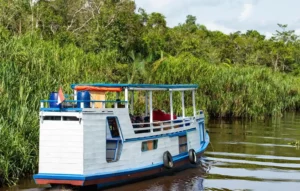
For boat trips, GOV.UK reminds us that child-sized life jackets may not always be available. Information on sizes and availability should be clear before families arrive at the pier, not after they are on board.
Briefings, Backup Plans, and Contacts
There are times when children may want to leave earlier than other family members. Before choosing an activity, determine whether there’s a safe place to wait, who will be accompanying them, and whether returning early will require additional transportation or staff.
The operator’s number and meeting point location should be easily accessible to all accompanying adults. Also, keep an offline record for locations with unstable signal.
Age requirements for each activity
Requirements can vary between boat trips, nature trail hikes, or optional activities. Rather than assuming one agreement applies to all, discuss the suitability of each activity within the itinerary.
If the objectives or sequence of activities change, the assessment may need to be updated. Replacement activities may not have the same conditions and rules.
Involve Kids in Simple Preparations
Preparation becomes easier when everyone in the family knows what to expect. Items for the day’s activities can be separated from the main luggage so you don’t have to unpack everything when you stop.
Daily Packing and Routines
A change of clothes, rain protection, suitable snacks, and your child’s personal needs should be easy to find. A practical bag layout is often more useful than carrying a lot of spare items.
Explain the day’s plans in simple language, including when to wake up and when to rest. Give your child space to express any feelings of tiredness or discomfort. The schedule can be adjusted if the previous day was particularly challenging.
What to Discuss Before Booking
Before selecting a package, discuss things that directly affect the family experience:
- Activities that accommodate every child and their requirements.
- Daily departure patterns, vehicles, and rest opportunities.
- Room, food, bathroom, and availability of equipment.
- Responsible for supervision and action if part of the family stops.
- Fees and terms of change for agreed family arrangements.
You can discuss your family trip options through the Tripperhood contact form. Include your children’s ages, number of participants, estimated dates, activities of interest, and any sleep or meal requirements. This information helps the team develop a more tailored proposal than simply listing attractions.
Frequently Asked Questions
What to check before taking your child on an adventure tour?
In addition to activities, consider vehicle length, equipment size, and rest periods. A family-friendly itinerary is one that fits the children involved, not just the label.
How to choose an Indonesian adventure route for your family?
Choose experiences that suit your child’s interests and abilities, then consider the pace of the day. A schedule that includes breaks is often more comfortable than a route that includes many locations.
What details need to be included when requesting a family tour?
Travel dates, number of participants, children’s ages, arrival point, and food and accommodation requirements are helpful initial information. Also include activities to avoid or conditions to consider.
Are all activities suitable for every child?
No. Each activity has different conditions and requirements. Private tours do not automatically change age limits or safety regulations.
What family travel costs need to be checked before booking?
In addition to the base price, consider room capacity, additional bedding requirements, meal options, and any services your family might require. The total cost is clearer when calculated based on the actual number and ages of participants.